❋
October 2, 2026Getting Closer…
Week 6What I’ve Made & Done
Video Takeaways
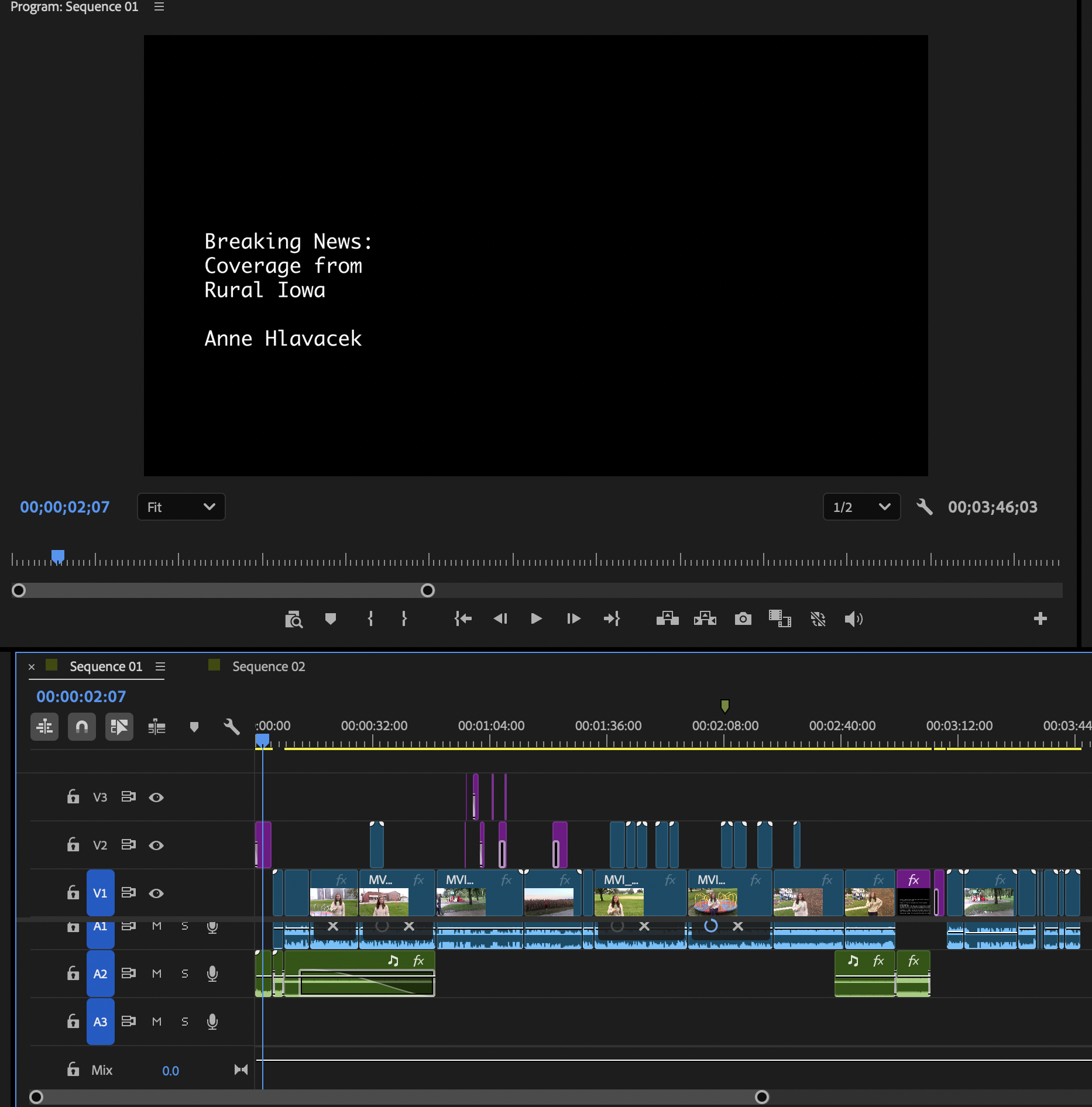
“Movie day” in studio was a good time! I loved the wide range of video approaches and topics.
My goal for my video was to give a brief intro to my area of interest (rural Iowa), keeping it kind of broad to allow for the ultimate project to go into a few directions. Since I’ve been particularly interested in third places in rural spaces, I used that as a hopefully somewhat engaging theme.
I was inspired by the Parks and Rec style of handheld camcorder, goofy dramatic antics, and “making do with what we have.” I felt this style fit the theme of community, gathering, and having fun — all critical qualities that make third places. The video needed to invite people in, just as third places should.
I also wanted the topic of decline to be approached a bit differently; usually it’s kind of a downer topic. If a topic bums you out all the time, you’ll probably start to avoid it if you can. Maybe we could look at things from an alternative angle. What are we missing?
Some notes from class feedback I got:
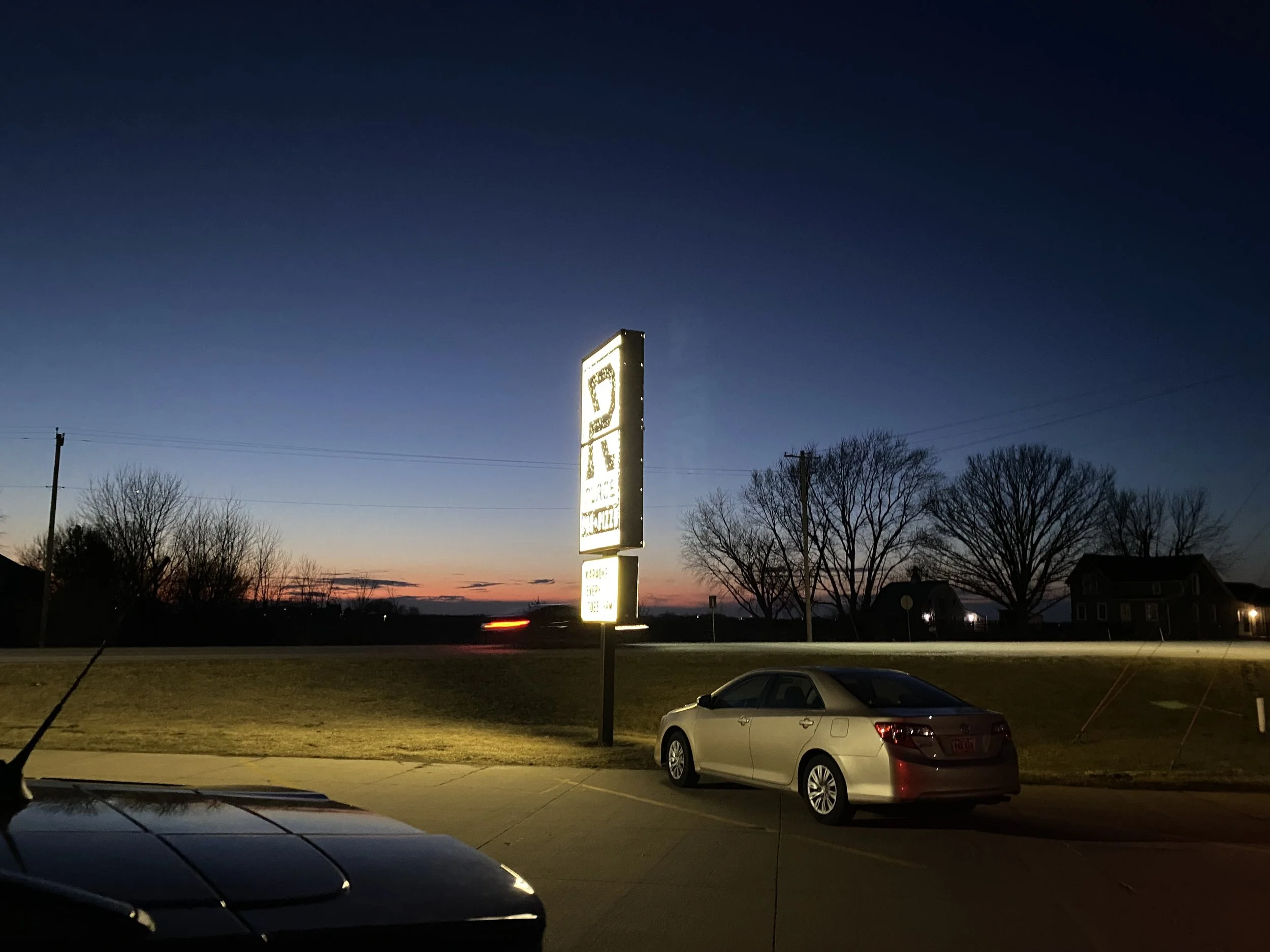
The third places in the video - what does it mean when they look empty, or are mostly parking lot - how can design change how third places invite people in
Once there’s nowhere to be, it’s harder to be there (decline in third places)
Making the subject fun, engaging, and approachable. Fostering “fun”
Identify what’s working in communities. What is “good” design for third places?
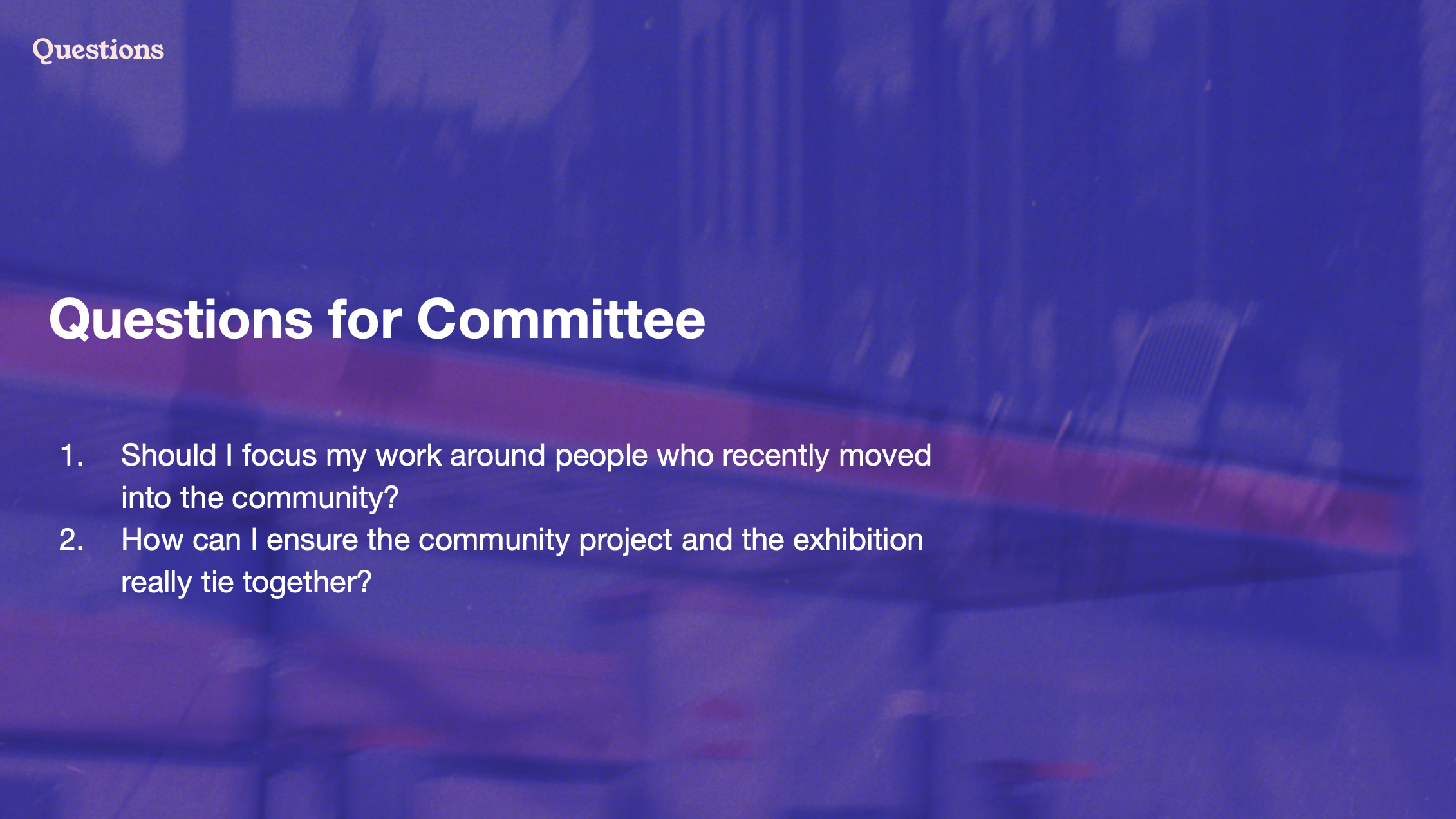
All-Committee Meeting
My all committee meeting was last Friday. Here’s a few of my quick notes and takeaways:
Shawn:
Lead question: How might design….
Meet to talk about the questions
Third spaces : gas stations, ROMEOs, bars/taverns – gas stations are like revival, add these to public infrastructure
Old timers and newcomers – two very different kinds of people to talk to
Satisfied and dissatisfied – 2, 3, 4, 5 people in each bucket
2x2 table
How do they feel about Des Moines? – how they leverage Des Moines
People are stakeholders
Tina:
IRB? - separate myself from research umbrella
Introduce myself as a designer, my skillsets and interests, give them some proposals of scope of possibilities
Figure out how to put the pieces together, what do your skillsets and interests lean into
Have a focused range
Exhibition: same type of thing with community project?
Embracing rural students there at the exhibition at Iowa State
Defining that third space idea – explicit defining of that and using design with that concept
Bern:
Consider what you think this will be like at the end – reverse engineer it
Dance between poetic and pragmatic
Be careful that you don’t become a carpetbagger – giving them things and then leaving – can do more harm than good
What is a promise you think you can make?
Community gatekeepers?
How do I face it if people have a lot of negative things to say?
Don’t underestimate the positive impact you can have
Small Bets – 3 different very small things – if one thing is most successful, then you pour more into it
Potlucks, food
More discussion
Grants? Rural Development grants, Community Visioning? Bikes and trails (state grants and funding – parks and rec)
Virtual space that translates to physical spaces – repository for memories?
Start with smaller project, proposal for bigger project?
Answering questions through a story – archive of stories, anonymized? Raw material as part of the design?
Collabing with the historical society?
Exhibit space shareable through the library
Do they have a chamber of commerce? Or small business owners?
Who’s coming, who’s not? What’s working, what’s not? Main needs in the town square?
Could it be a product that sets them up to receive money?
This week I also chatted with Brandon about my thesis topic, and he mentioned that the design process of working with a rural community is what seems really interesting here. He brought up that that could be the thesis, and the project wouldn’t necessarily have to be completely wrapped up by then. The thesis could be the process and proposal, and then say next summer the project could be implemented.
I like this approach for two big reasons:
It’s more feasible for my timeline. This way, I don’t feel like I’d have to try to rush with a community from process to proposal to implementation in a few months (which just doesn’t seem possible with multiple stakeholders).
It helps avoid the “carpetbagger” vibe, where I’d just work with the community for a few months then head out. This way, I could spend more time on the project with the community and realize it.
Conversation Starters
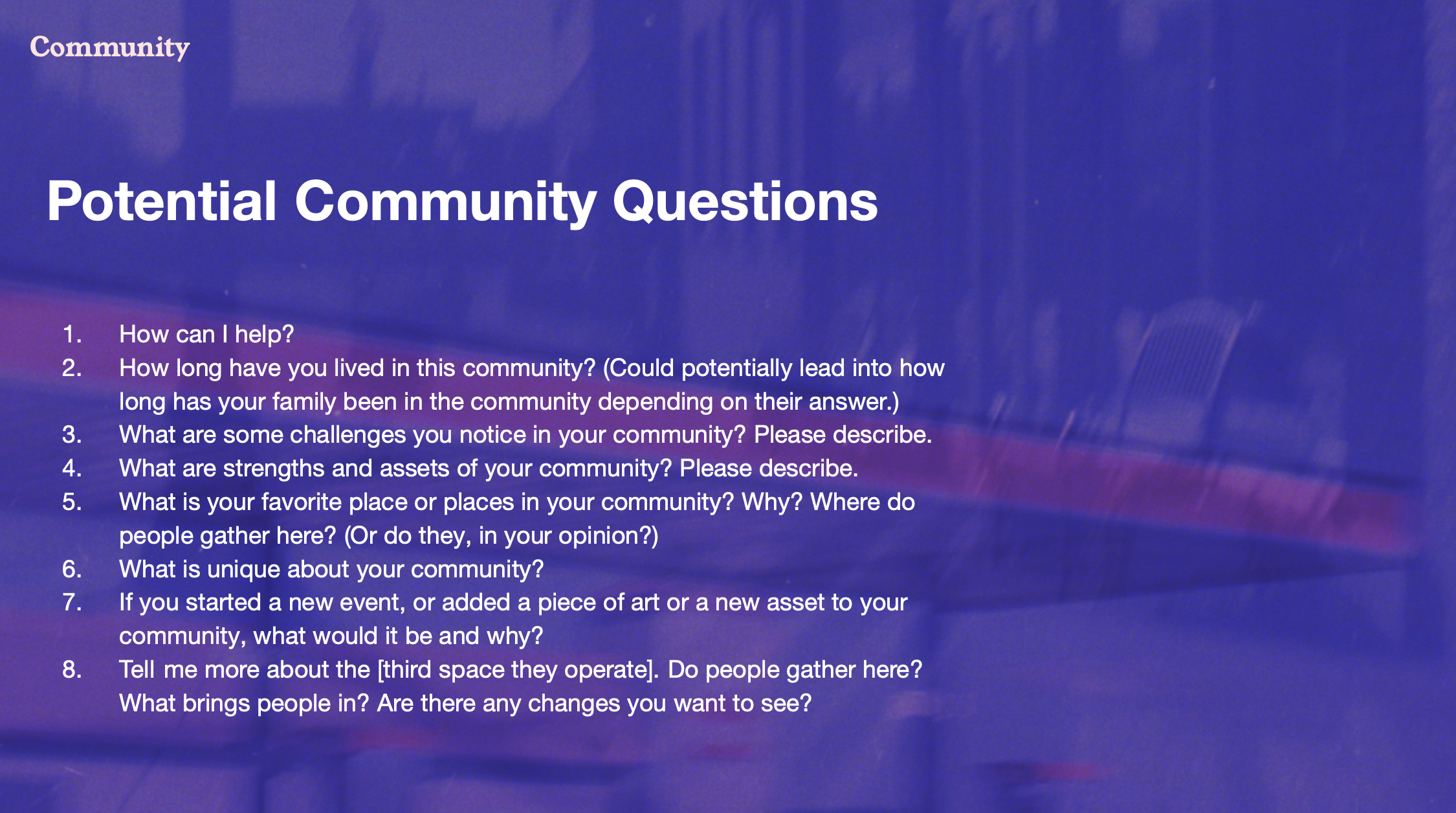
I chatted with Shawn on Monday about my list of conversation starters as I chat with people in the community. Here’s what we’ve worked out as a starting place:
Intro: My name is Anne, I’m a grad student at Iowa State. I’m getting a masters in graphic design and am doing a design project with [community] for my masters thesis. I went to [this school] so it felt fitting to come here and see how the town has changed since I graduated and what’s been going on. I’m talking to people around town to get ideas for a design or art project.
How long have you lived in this community?
[If they’ve been here a long time] – Has your family been here for a few generations?
[If not] Where did you come here from?
How’s it going in town these days?
Tell me more.
What’s the story on…[insert thing they mention]
What do you think the town is known for?
What do you think the town should be known for?
What do you think are the best things about town? Some strengths?
What is unique about your community?
What are the worst things about town? What are some of the challenges facing here – what are people complaining about or worried about?
Do you have a favorite place in town? If someone comes to visit, what’s the one place you’d tell them they must go to or do?
Why?
Where do people tend to gather? Churches, bars, the park, [event]? Where do people spend time together?
Tell me more about the [third space they operate].
Do people gather here?
What brings people in?
Are there any changes you want to see?
If you started a new event, or added a piece of art or a new asset to your community, what would it be and why?
A Reflection on September
I think when I start a big thing with a deadline, I want to see real-life progress as soon as possible. I live in stress otherwise, as I have for most (well, all) of September. But when I stopped and thought about what I accomplished in September toward my thesis goals, I realized it laid decent groundwork:
I got in touch with a community to work with, discussed it with my committee, and began formulating plans and conversation starters
I began planning what my exhibition’s goals will be
I narrowed in on a theme I’m really interested in (third places) that could connect well with a community project, depending on what I talk about with people in the community, and I began solid research around this theme
I found some precedent studies and connected this theme to some of my past work and research
I did some online background research on the community
And after much discussion with my committee and the wonderful people at the ORE, I learned I did not need to put in an application of any kind for the IRB since this design project is not intended to contribute to generalizable knowledge and I am working with people as stakeholders, not research subjects.
At the beginning of this month, I did not know much of the above! So I’m coming out stronger and I feel I have a more confident path forward for hopefully more fieldwork in October!
How I felt at the beginning of this month
(jokes)
What I’ve Been reading
Journal articles/Theses
Decentralized & Community-Driven Approaches for the Green New Deal that Value Existing Rural Land and Community
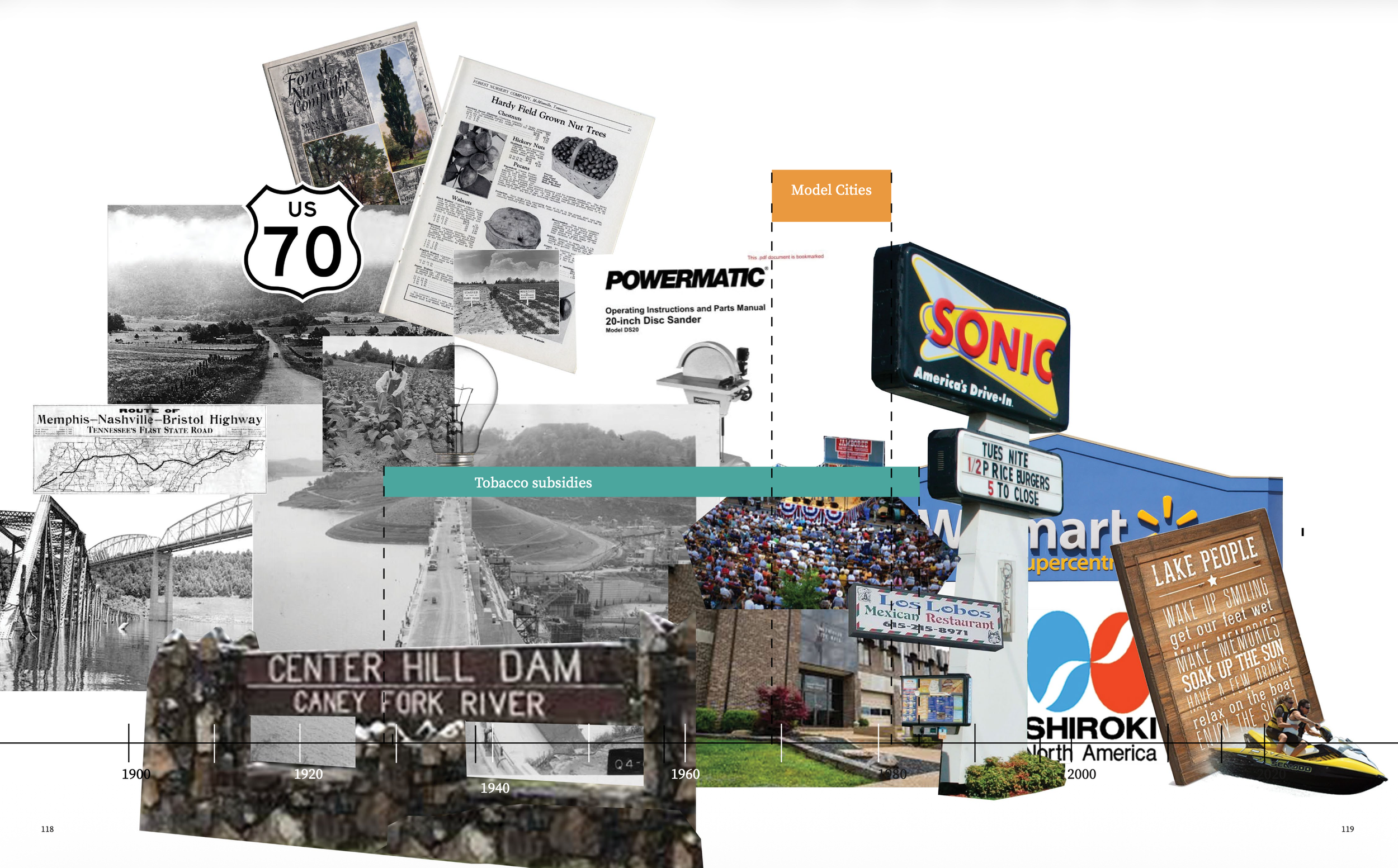
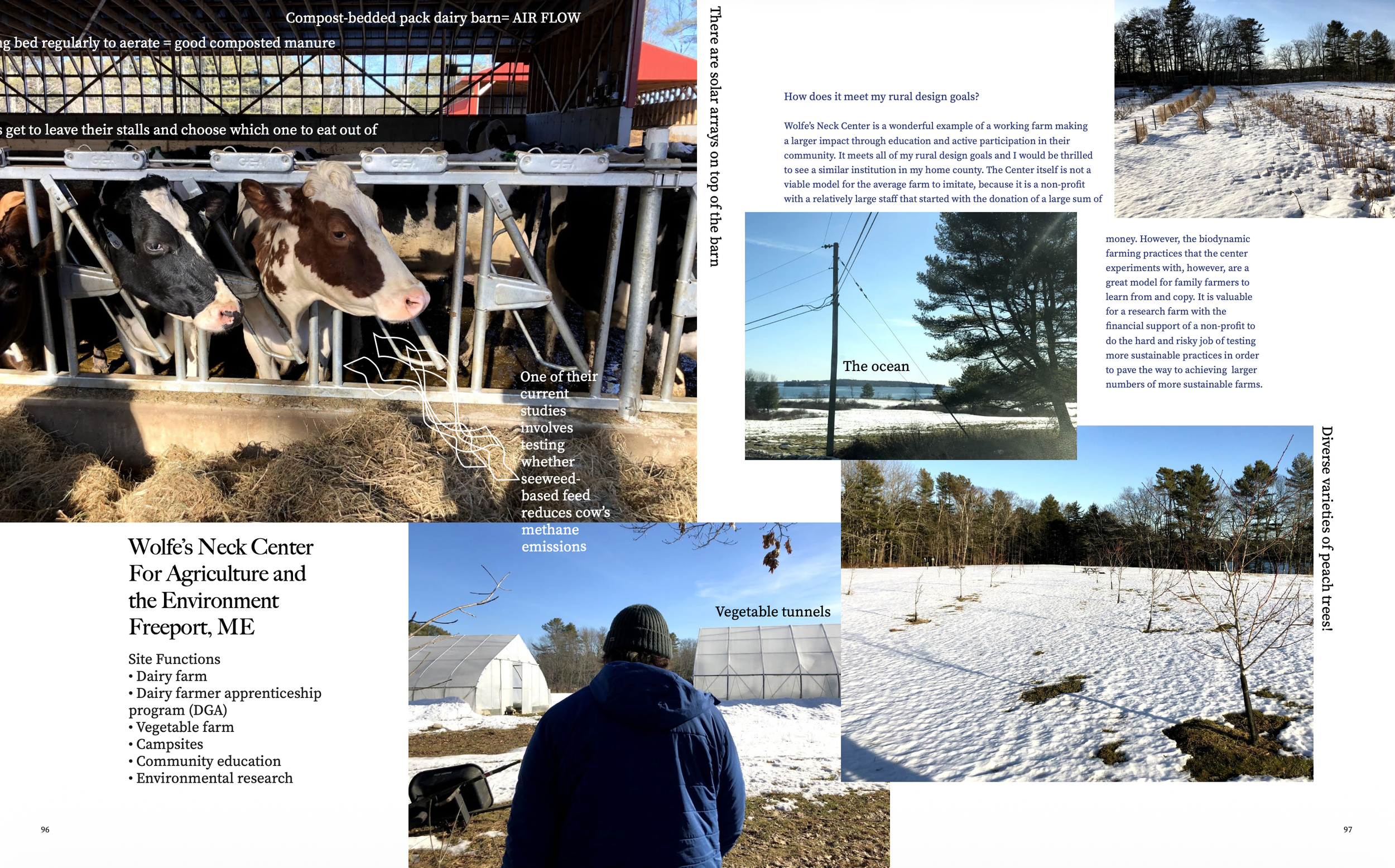
I found Cornelia Overton’s thesis for an MLA in Landscape Architecture from RISD on rural design, and it is amazing. She touches on SO many of the same themes I’ve been thinking about that I haven’t seen in other theses or articles. I also love the visual design of her book. So many ideas and inspiration here!
Themes she touches on that I have also been considering:
Defining terms. Things are referred to differently in academia than they are colloquially, and it can get weird. (Saying “rural” vs. “the country,” for example)
Urban and rural being closely connected
Including rural visuals (food, signage, etc.) and even country music lyrics (which I have also considered because some of the pictures country songs paint of rural life are interesting)
Her sentiments on growing up in a rural area in the introduction:
“Although Tennessee’s official Bluegrass Music Festival and fiddle-off takes place in my hometown, most kids I knew growing up listened to pop music on the radio more often than banjos on the porch. It was more common that our parents or grandparents grew up on farms. Over the years, it has seemed like development choices in my town aspire toward suburban forms and aesthetics, and when most people are employed in the medical, educational, or service sector, could a rural community become effectively an anchorless suburbia?”
“How should I go about designing something or someplace that is rural without being nostalgic, anachronistic, or regressive?…How should rural design be different from urban design, or how should it not? Should a Rural Design even exist on par with Urban Design as we know it today?”
“This thesis loves cities and urbanism and there is no point at which I have thought of the urban and rural as separate or disconnected, only that the rural landscape seems intuitively different in character, culture, and function than cities, and there’s got to be something to that.”
More on her work in the RISD Grad Show 2020.
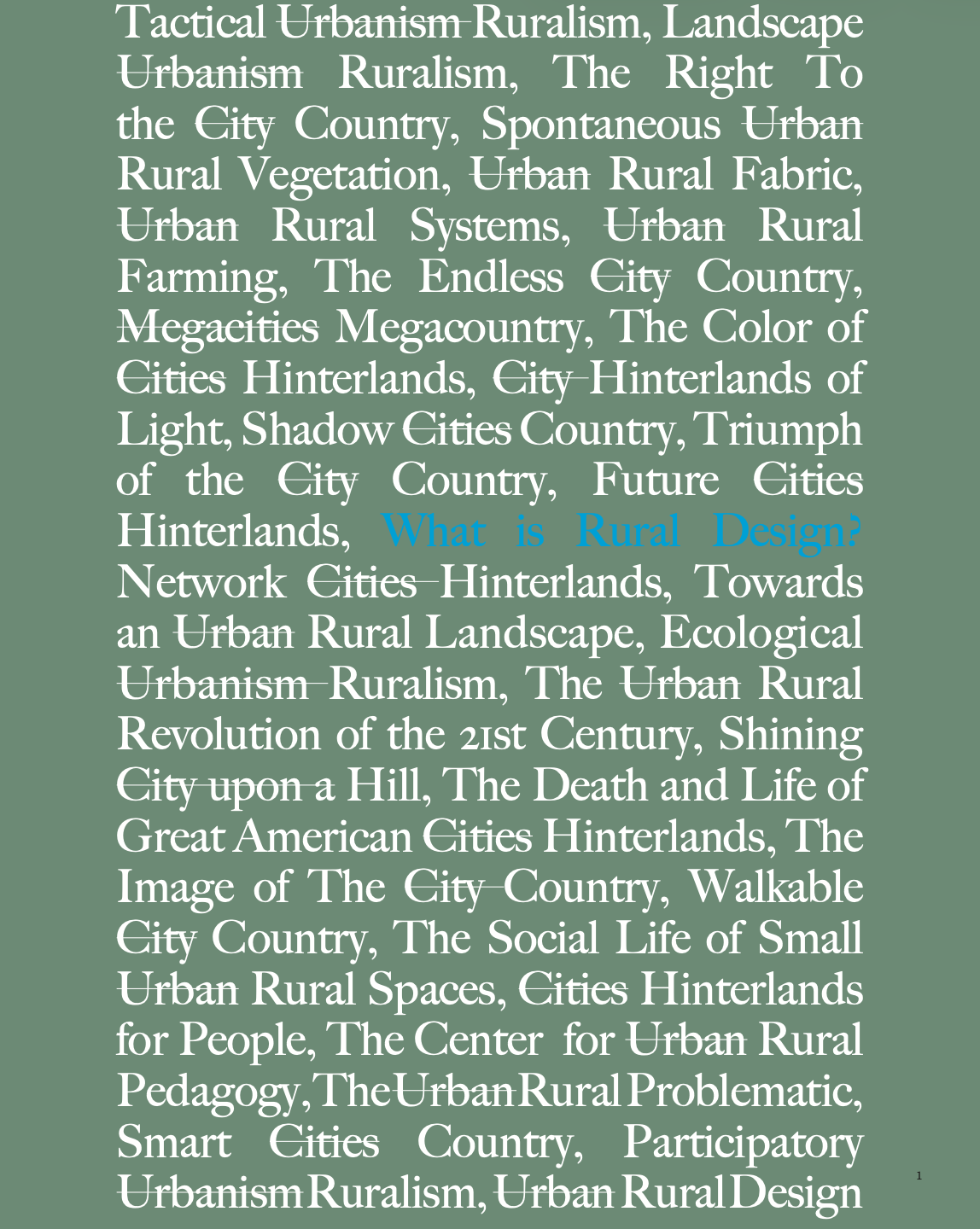
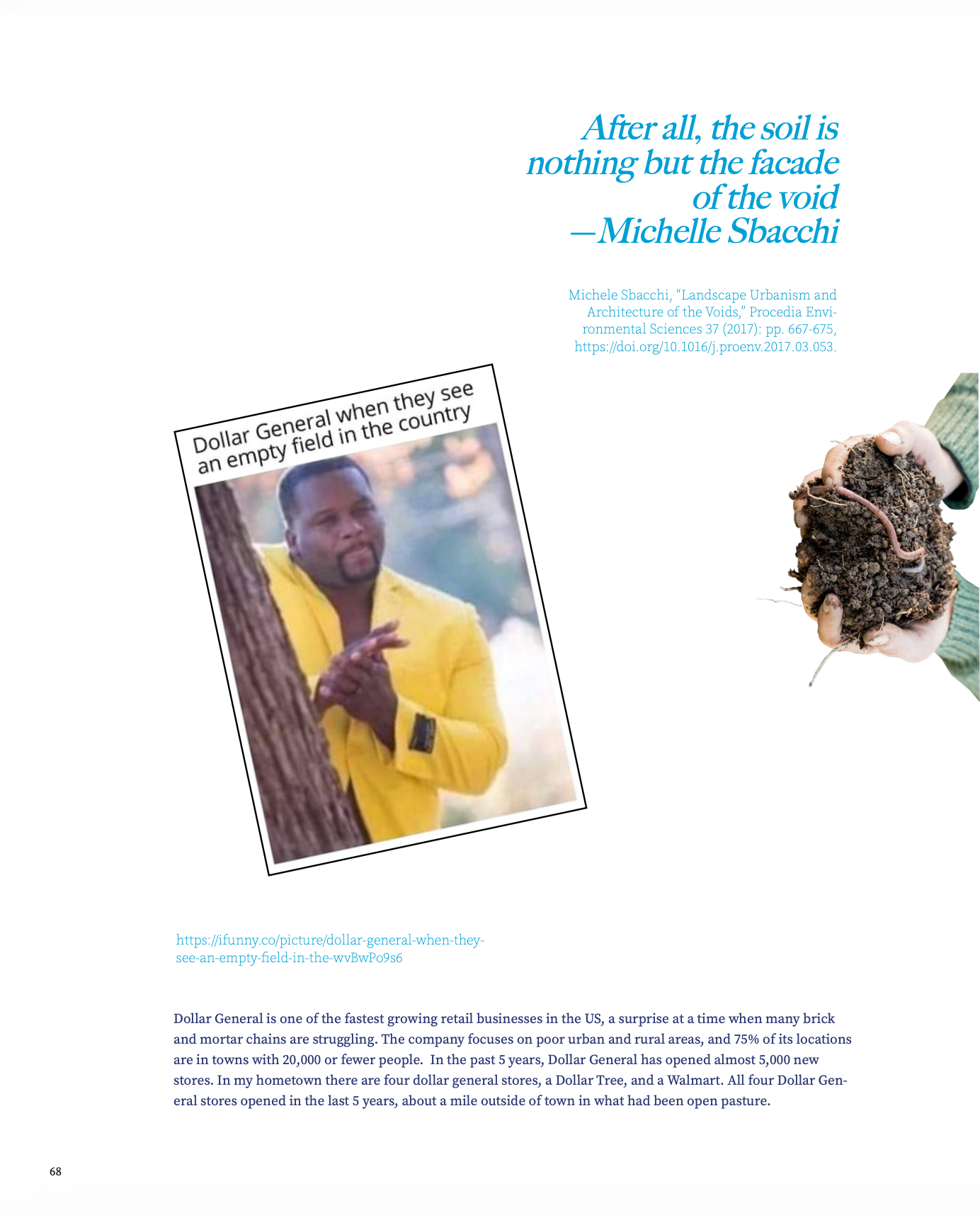
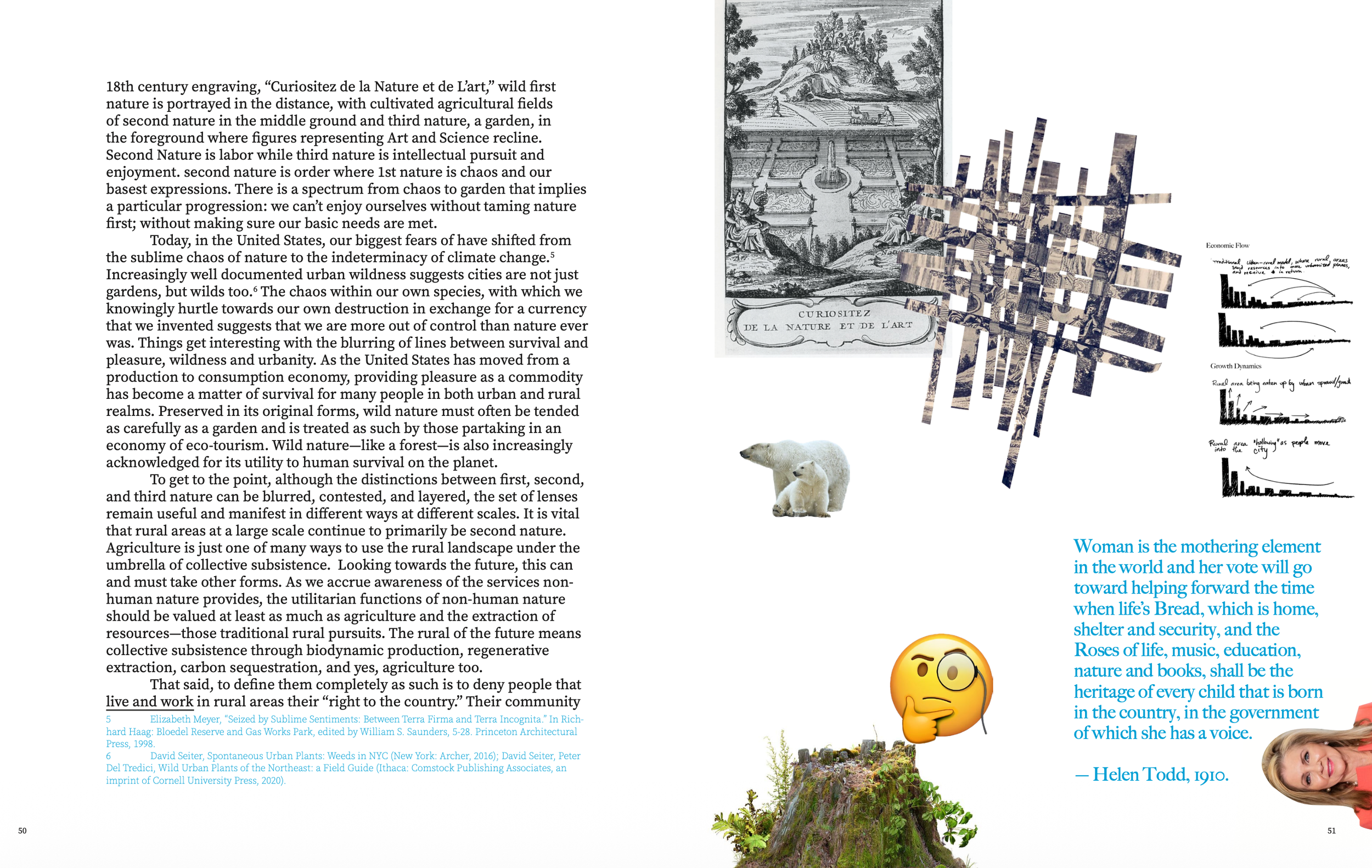
Pages from Cornelia Overton’s thesis on rural design
Other media
I’ve been researching some other projects in the community I’m focused on, including:
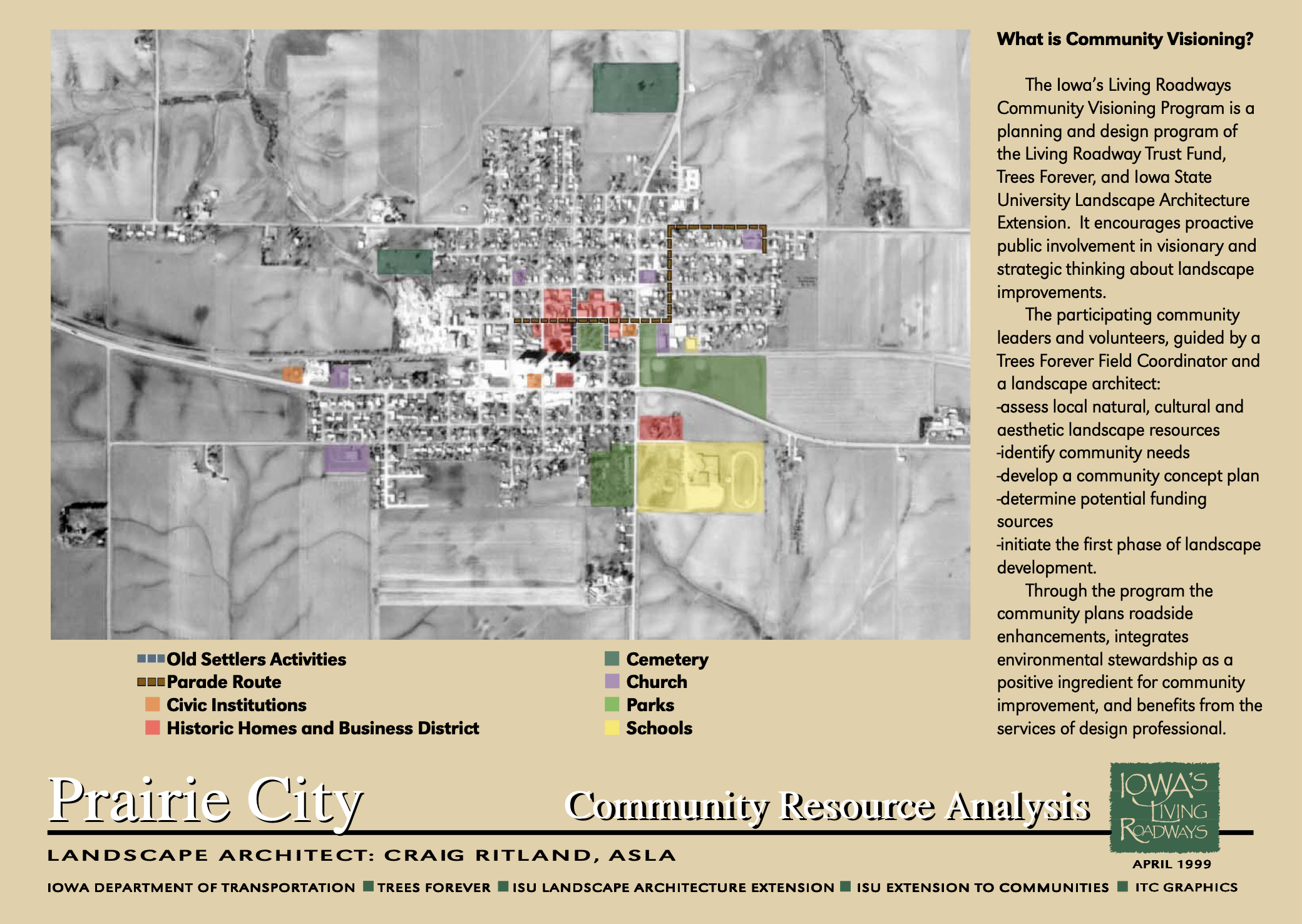
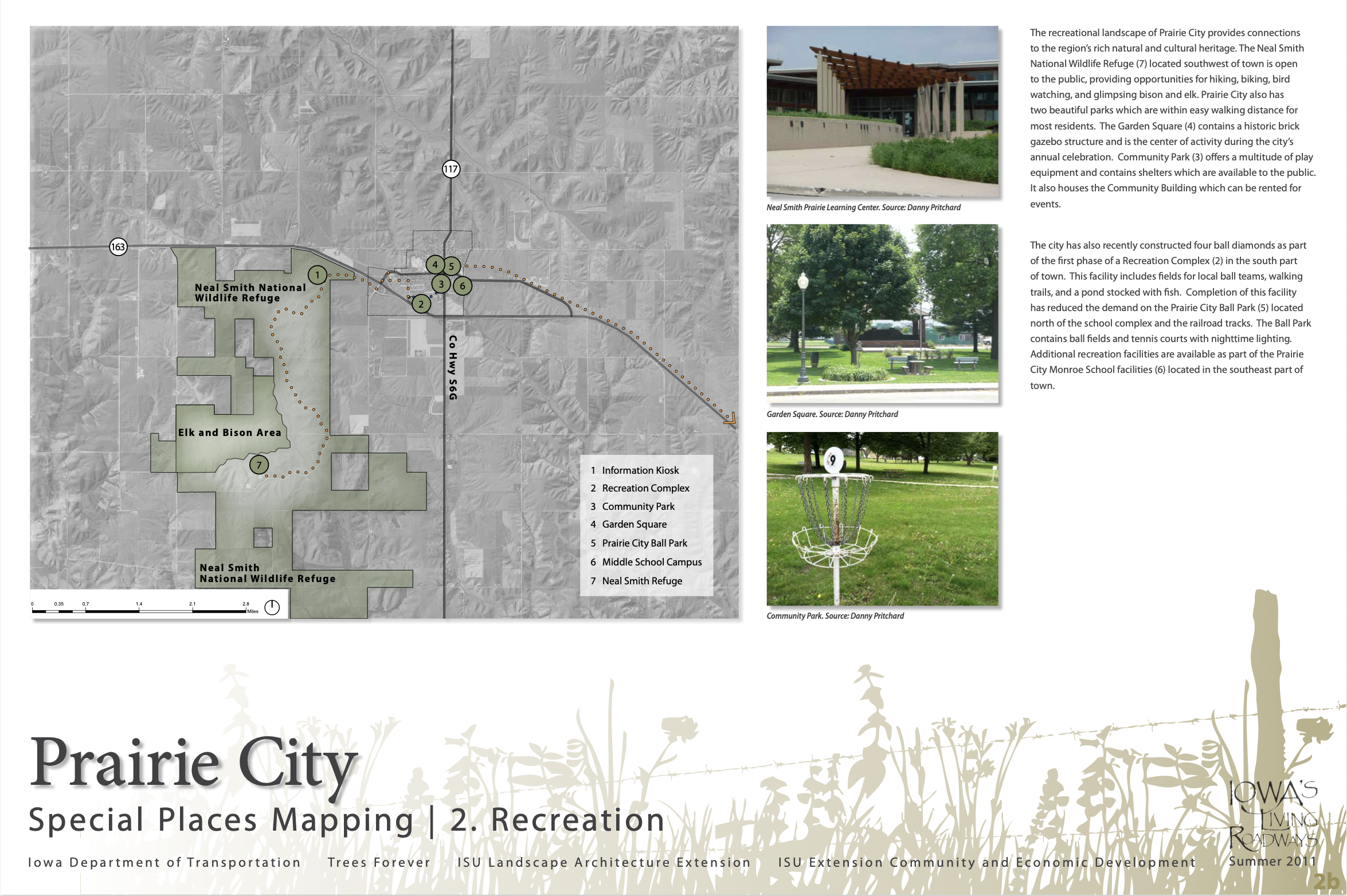
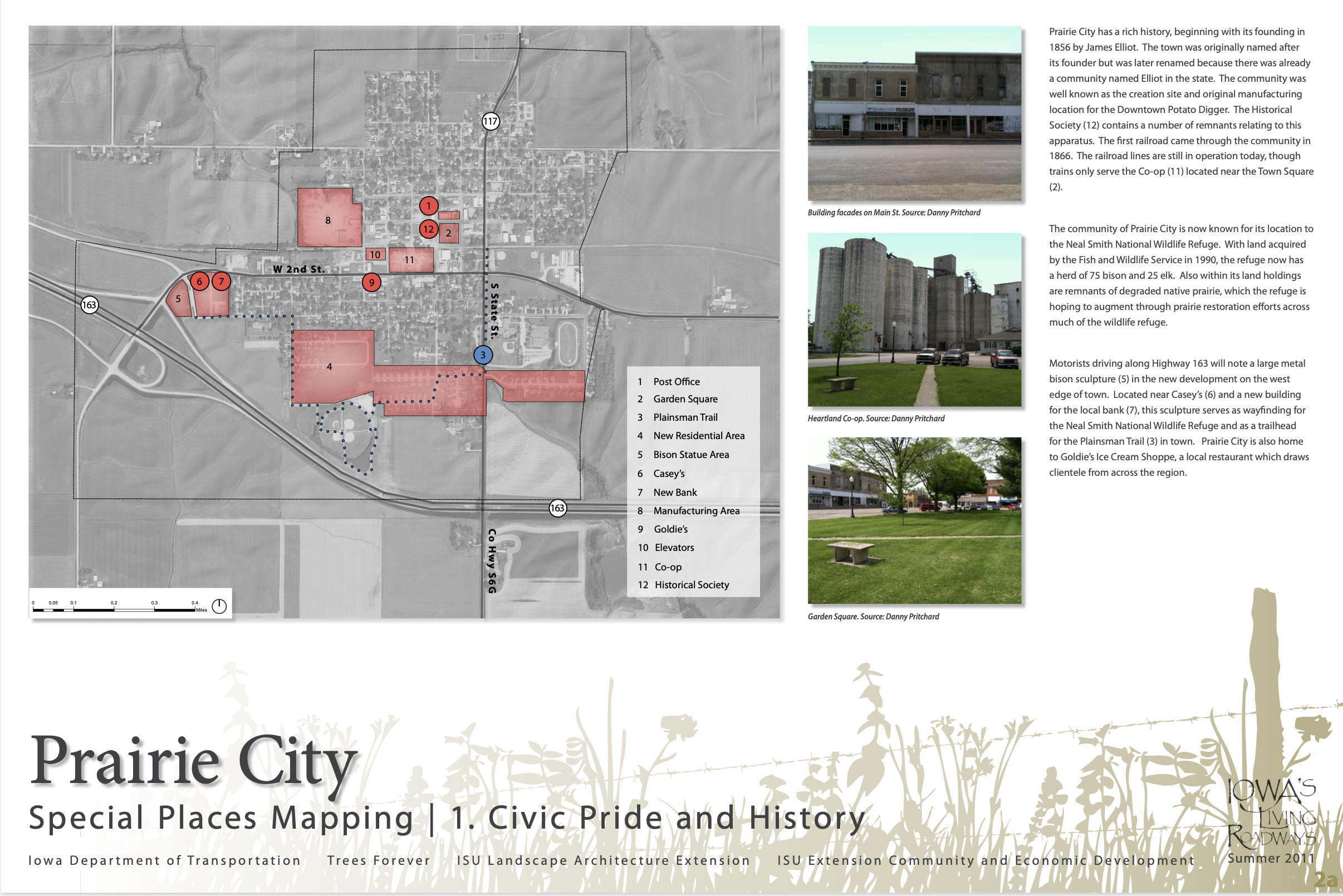
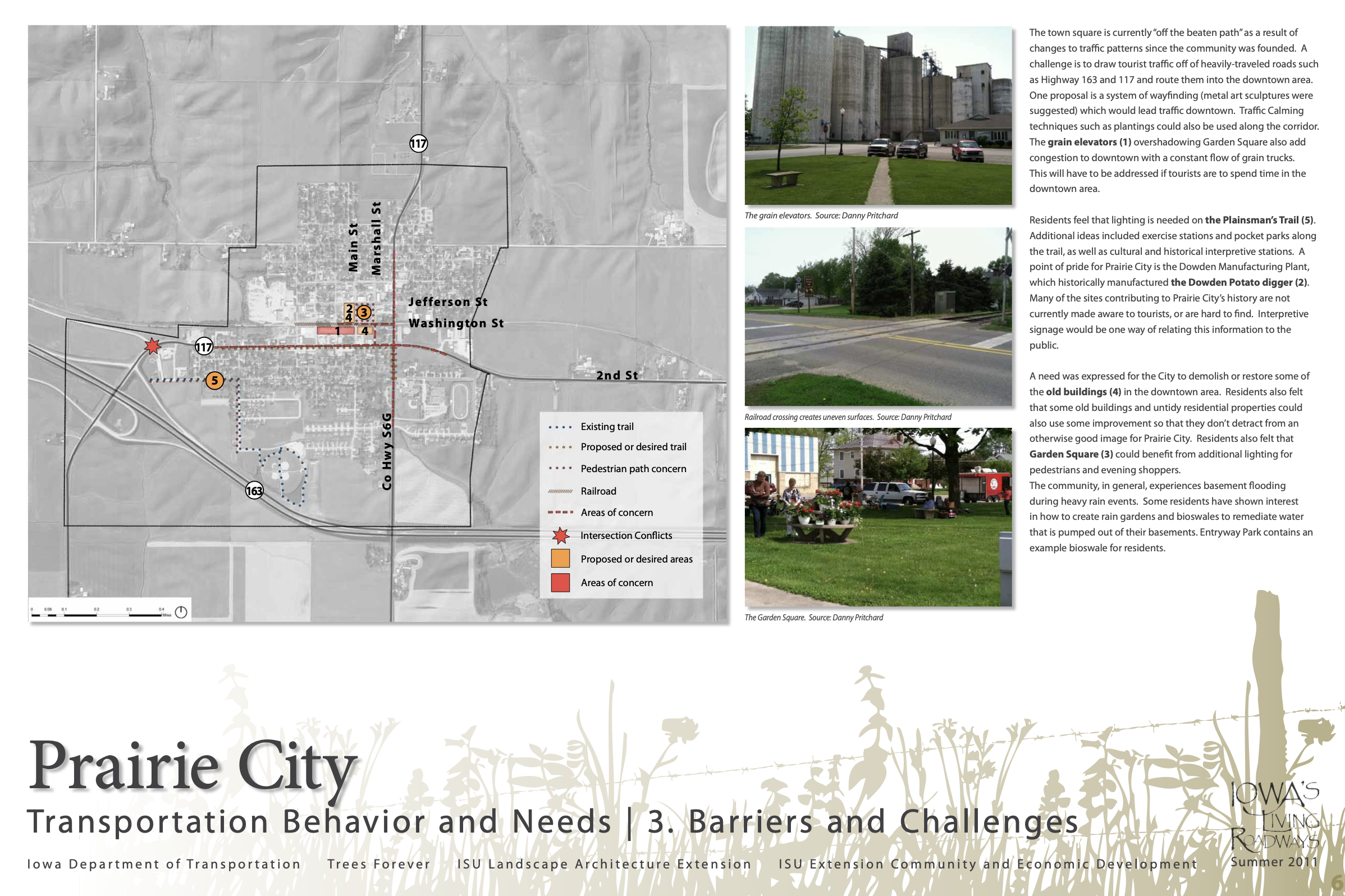
Extension & Outreach Community Visioning 1999 and 2011
A few of the interesting Community Visioning boards from the Iowa State University Extension and Outreach program:
Up next
Call city clerk to talk about project direction & plan for visiting
Complete background research on community
More precedent project research
I’m interested in designing a newsprint booklet for people to take from the exhibition around rural design. Start an outline or layout plan for that.
Think about starting lit review! Pretend I’m starting the thesis writing - what’s it called? What’s my problem statement? What’s the lit review focused on? Start compiling allll the research around that theme
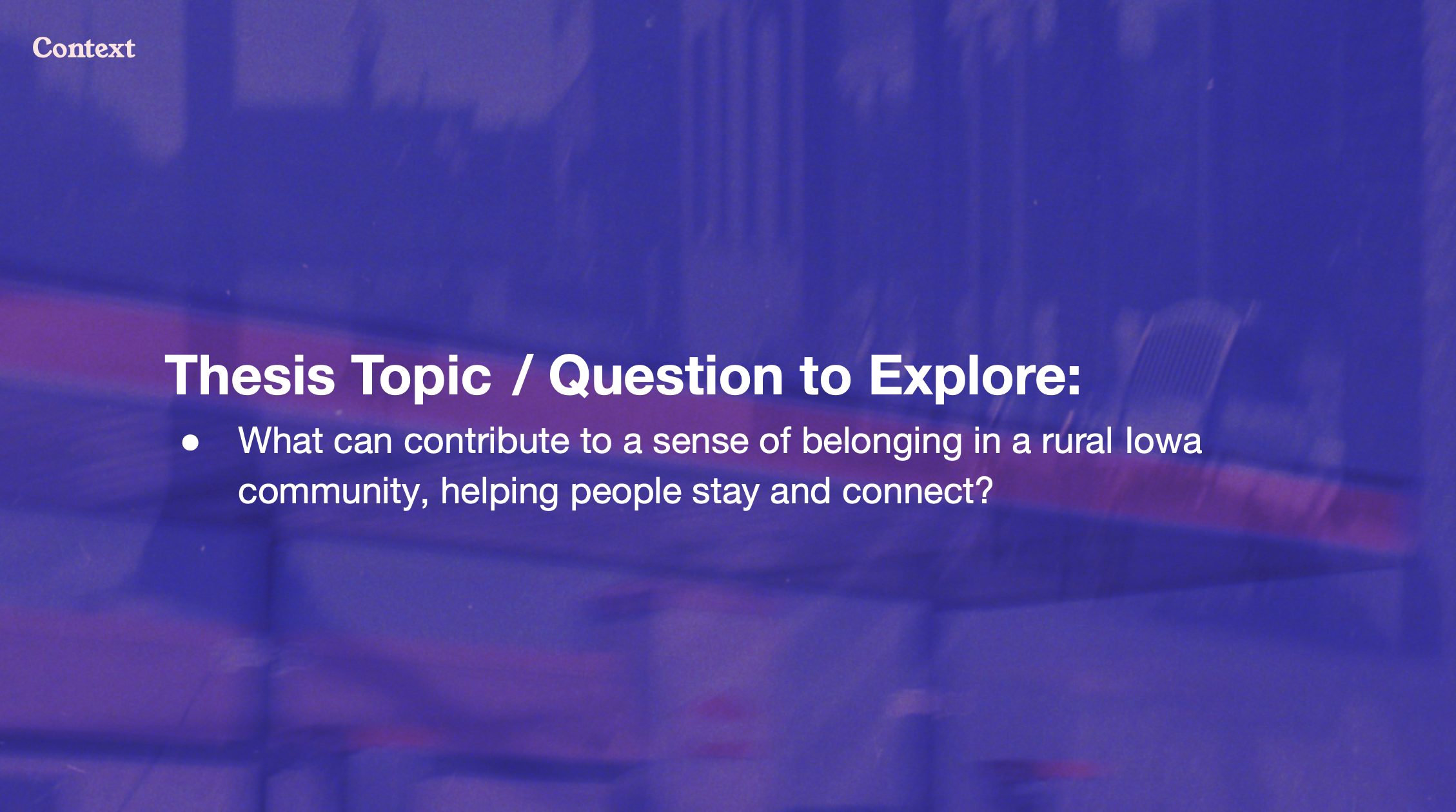
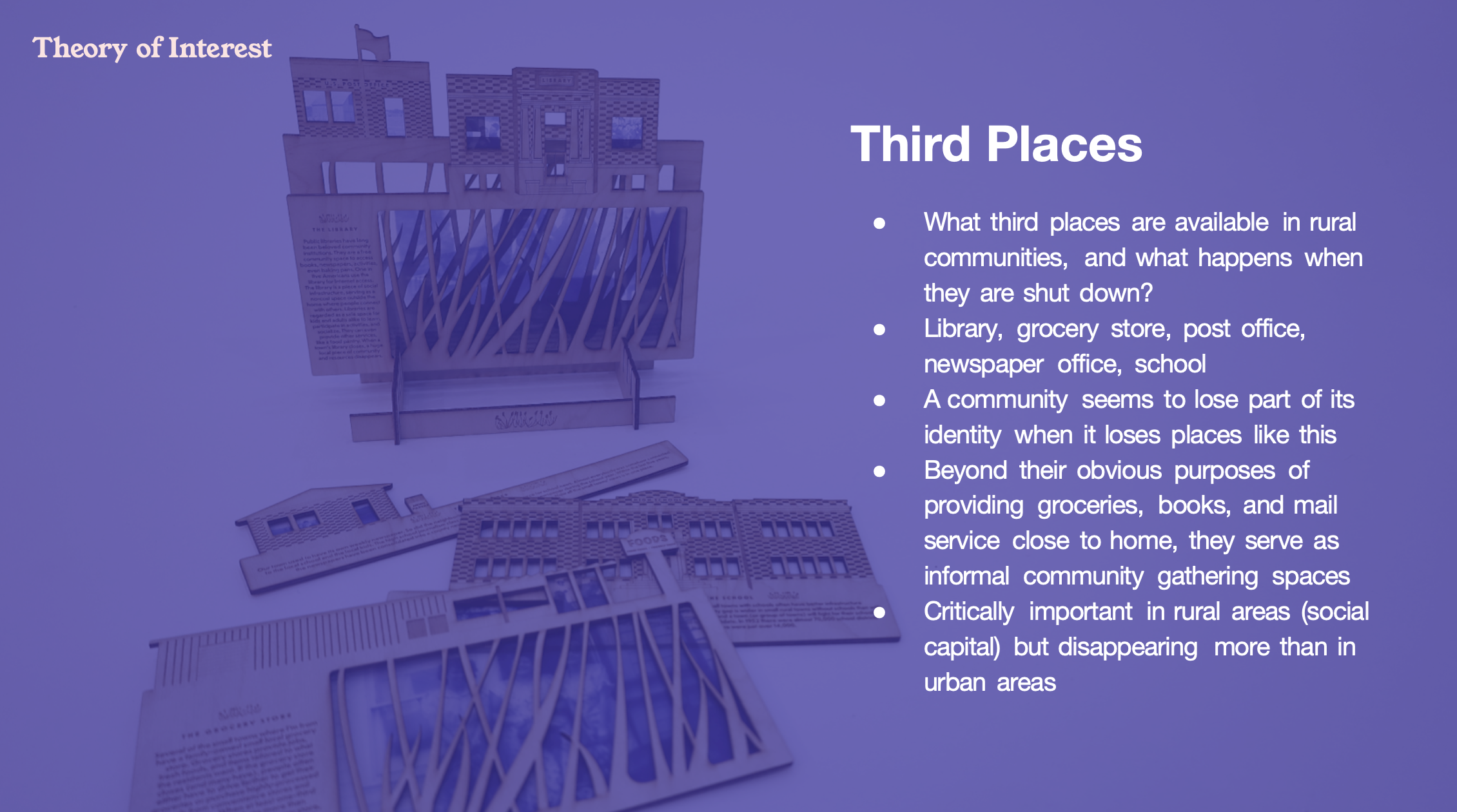
A few slides from my all-committee meeting slideshow